










Introduction to Stainless Steel Railings
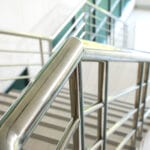
Stainless steel railings are a modern and secure solution for residential and commercial buildings. Stainless steel is now one of the most widely used materials for this type of installation. These railings combine an elegant and modern appearance with exceptional durability that meets the requirements of modern construction. The advantages of a stainless steel railing explain why this type of installation is widely used in contemporary architectural projects.
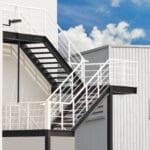
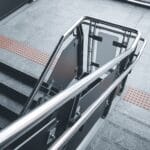
Used to secure balconies, staircases, terraces, and mezzanines, this type of structure helps effectively protect elevated spaces. Stainless steel is also appreciated for its ability to integrate into modern designs while maintaining excellent strength.
A Solution Adapted to Modern Construction
In recent construction projects, stainless steel is often chosen for its unique combination of safety, longevity, and aesthetics. It provides reliable protection while adding a contemporary touch to buildings.
This material integrates just as well into high-end residential projects as it does into commercial developments that require a refined appearance. Its clean look suits modern environments but can also complement more traditional buildings when combined with other architectural finishes.
What Is a Stainless Steel Railing?
A stainless steel railing is a protective barrier designed to secure elevated spaces such as staircases, balconies, or terraces. This type of railing is made from a metal alloy known for its resistance to corrosion and long-term durability. The material mainly consists of iron, chromium, and sometimes nickel, allowing it to effectively resist humidity and challenging weather conditions.
In the construction industry, two types of stainless steel are commonly used:
- 304 stainless steel: widely used in standard residential and commercial installations
- 316 stainless steel: recommended for marine or industrial environments due to its increased corrosion resistance
- Brushed or satin stainless steel: highly appreciated for modern architectural applications
Various Applications in Buildings
These different variants allow installations to be adapted to the specific conditions of a building. For example, structures installed near coastal areas or in industrial environments often require stronger stainless steel to ensure long-term durability.
Stainless steel railings and handrails are also highly versatile and can be installed in many types of spaces such as indoor staircases, outdoor terraces, or walkways. They can be found in residential environments as well as in commercial buildings.
They can be mounted on a façade, directly on the floor, or on stair stringers depending on the configuration of the project. This design flexibility makes them easy to integrate into both new constructions and renovation projects.
Why Is Stainless Steel Used?
Stainless steel is widely used in construction projects because of its technical and aesthetic properties.
One of its main advantages is corrosion resistance. Stainless steel naturally forms a thin protective layer that prevents rust from developing. This characteristic is particularly important for outdoor installations exposed to weather conditions.
A Durable and Low-Maintenance Material
Another important benefit is the ease of maintenance of stainless steel. Unlike some materials, steel railing structures require very little maintenance over time. Unlike wood or painted steel, it is not necessary to regularly apply treatments or coatings to preserve the surface.
Stainless steel is also appreciated for its contemporary appearance and the way stainless steel railings integrate easily into modern architecture. Its brushed or satin finish blends perfectly with modern designs and can be combined with materials such as glass or aluminum to create elegant designs.
Finally, its mechanical strength allows the creation of robust structures capable of supporting significant loads while maintaining stability.
In a context where property owners and managers are looking for durable materials, this low maintenance requirement becomes a real economic advantage. Over the long term, it can significantly reduce building maintenance costs.
Aesthetic and Functional Advantages
Choosing a stainless steel railing is not only about safety. It also plays an important role in the appearance of a building.
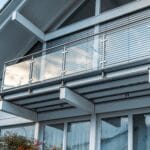
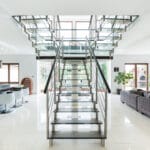
Its clean design adds an elegant and modern touch to balconies, staircases, and terraces, and stainless steel integrates easily into contemporary architecture. In many architectural projects, stainless steel is often combined with other materials such as glass to create railings that are modern, safe, and visually lightweight.
Various Design Possibilities
For example, it can be combined with:
- glass panels to maximize natural light
- steel cables for a minimalist style
- metal elements for an industrial design
This flexibility allows installations to be designed according to the specific needs of each project.
Beyond aesthetics, these structures also offer excellent durability. Stainless steel resists impacts, weather conditions, and temperature variations.
This combination of appearance and performance explains why stainless steel remains a popular choice in projects where safety must be combined with refined architectural finishes.
Comparison: Stainless Steel vs Other Materials
To better understand the advantages of stainless steel, it is useful to compare it with other materials used to manufacture railings.
| Attribute | Stainless Steel | Steel | Wood |
| Durability | Very high (corrosion-resistant) | Medium | Variable |
| Maintenance | Low | Moderate | High |
| Initial Cost | High | Medium | Variable |
A Cost-Effective Long-Term Investment
This table shows that stainless steel stands out for its durability and resistance to environmental conditions. Although the initial cost may be higher, its longevity often reduces expenses related to maintenance or structural replacement.
Therefore, it represents a more strategic investment rather than a purely aesthetic choice. In many projects, the higher initial cost is offset by a longer lifespan and better visual stability over time.
Installation and Maintenance of a Stainless Steel Railing
Installing a stainless steel railing must be done with precision to ensure the safety of occupants. Several factors must be considered, including the height of the structure, the strength of the fixings, and compliance with building codes.
Installation Performed by Professionals
In most projects, installing a stainless steel railing involves taking measurements, fixing the supports, and installing the posts along with staircase handrails. To ensure proper and durable installation, it is recommended to work with professionals specialized in metal structure installation.
Companies with expertise in metal fabrication, such as Metanox, can design and install railings that meet the technical requirements of residential and commercial buildings.
To explore different configurations, it is also possible to consult stainless steel railings and handrails to find a solution suitable for staircases, balconies, and terraces.
Maintenance and Structural Durability
Thanks to the ease of maintenance of stainless steel, simple periodic care,including cleaning the surface and checking the fixings, is generally enough to preserve the quality of the railing.
Conclusion and Recommendations
Stainless steel railings now play an important role in construction and renovation projects. Their strength, durability, and contemporary appearance make them particularly suitable for securing elevated spaces while enhancing the look of a building.
A Reliable Choice for Residential and Commercial Projects
Whether installed on a residential balcony, an indoor staircase, or an outdoor terrace, this type of railing combines safety with architectural design. Stainless steel also has the advantage of maintaining its appearance over time, even when exposed to weather or frequent use.
When properly designed and installed, a stainless steel railing represents a durable investment and a guarantee of quality for residential and commercial buildings. For projects requiring custom metal structures, specialized companies such as Metanox can design solutions tailored to the specific needs of modern constructions.