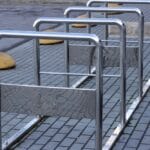
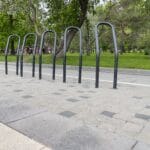
Outdoor stainless steel is now a reference material for projects exposed to climatic and mechanical constraints. In an environment where humidity, temperature variations, and corrosive agents put materials under strain, choosing the right alloy becomes critical. Thanks to its composition and unique properties, this metal makes it possible to design durable structures while limiting maintenance needs.
Beyond its resistance, it also stands out as a reliable solution for fabrication and welding, especially for installations requiring precision and long-term stability. This combination of technical performance and durability explains why outdoor stainless steel is widely used in many projects.
A natural resistance due to its metallic composition
The performance of this material is based on a simple yet highly effective principle. As explained in your source document , the presence of chromium allows the formation of a protective layer that acts as a barrier against corrosion.
Unlike other metals, this protection is not an applied coating but an intrinsic property. This means that even after welding operations or mechanical handling, the surface retains its ability to protect itself naturally.
This characteristic is essential in outdoor environments, where materials are constantly exposed to water, air, and contaminants. It also explains why outdoor stainless steel resistance is significantly higher than many alternative materials.
Which stainless steel to choose for outdoor projects?
Choosing the right alloy depends directly on the environment in which it will be used. Not all metals react the same way to external stress, and this difference becomes critical in long-term projects.
In the case of stainless steel for outdoor projects, two types dominate: 304 and 316. The first is suited for standard environments, while the second is designed to withstand more aggressive conditions, particularly in the presence of salt or chemicals.
Comparison of stainless steel materials for outdoor use
| Type | Corrosion resistance | Typical use |
| 304 | Good | Residential setups, furniture, light structures |
| 316 | Excellent | Saline areas, pools, exposed infrastructure |
| 430 | Moderate | Decorative elements |
| 2205 | Very high | Industrial environments |
This choice directly impacts durability, as well as maintenance and repair costs.
Factors that influence durability outdoors
The lifespan of a material outdoors does not depend solely on its composition. Several technical parameters must be considered from the design stage.
- Weld quality, which can affect overall strength
- Surface finish, which influences moisture and contaminant buildup
- Exposure to salts, especially in urban or coastal areas
- Structural design, which can promote or limit water stagnation
- Contact between different metals, which can trigger chemical reactions
These factors explain why two similar installations can perform very differently depending on their design and fabrication.
Stainless steel and the Canadian climate: proven resistance
Canadian climate conditions impose significant constraints on materials. Freeze-thaw cycles, combined with the use of de-icing salts, accelerate the degradation of many metals.
In this context, outdoor stainless steel maintains its mechanical properties and appearance. It does not crack under cold conditions and resists chemical aggression, making it a reliable solution for permanently exposed installations.
This ability to maintain performance over time is a major advantage for projects requiring high durability, even when other types of steel reach their limits.
Cost analysis over the long term in outdoor environments
The initial cost of a material does not always reflect its true cost. For outdoor projects, it is essential to consider the entire lifecycle.
A less efficient material can lead to:
- frequent cleaning operations
- corrosion-related repairs
- regular maintenance interventions
- premature component replacement
- loss of aesthetic value
On the other hand, well-chosen stainless steel for outdoor projects helps reduce these constraints and optimize long-term costs.
At Metanox, this approach is essential to ensure durable solutions adapted to real-world conditions, especially when each steel component must meet specific requirements.
Practical applications and stainless steel equipment outdoors
This material is used in a wide variety of contexts. Its versatility allows it to meet both technical and aesthetic needs.
It is commonly found in outdoor kitchens, railings, architectural structures, supports, tables, and urban equipment. In each case, fabrication quality and welding precision play a key role in overall performance.
Modern projects increasingly integrate this type of metal to ensure maximum durability without compromising design.
To better understand the available options, explore our stainless steel fabrication services.
Stainless steel equipment outdoors: a wide range of uses
In outdoor projects, stainless steel is used for both visible elements and technical components. It can be found in stainless steel tubes, supports, work tables, countertops, and equipment exposed to weather conditions.
This versatility comes from the fact that steel can be precisely worked through cutting, bending, or welding while maintaining excellent stability.
For installations where outdoor resistance is critical, choosing the right alloy helps prevent premature wear. Stainless steel equipment is particularly relevant for outdoor kitchens, commercial spaces, and urban developments.
Stainless steel vs other metals: performance outdoors
Alternatives often come with significant limitations. Some metals require regular treatments to prevent corrosion, while others lack mechanical strength.
Wood requires constant maintenance, and aluminum is not suitable for all structural applications.
Outdoor stainless steel stands out for its ability to combine strength, durability, and aesthetic stability, making it a balanced solution for many projects.
Fabrication, welding, and quality
The quality of a project depends as much on the material as on its implementation. Poor welding or inadequate fabrication can compromise performance, even with a high-quality alloy.
Working with specialists ensures proper selection and precise execution. Metanox supports professionals by providing solutions tailored to the specific constraints of each project.
Conclusion
Outdoor stainless steel is a strategic choice for projects exposed to demanding conditions. Its natural resistance, durability, and ability to maintain its appearance make it an essential material.
By integrating proper fabrication practices, selecting the right alloy, and considering environmental constraints, it is possible to design reliable and long-lasting installations. This approach reduces long-term costs while ensuring consistent performance.