Stainless steel passivation is an acid-based chemical treatment that removes free iron and other contaminants left on the surface during fabrication. It then allows the protective chromium oxide layer to re-form evenly. After welding, it’s the step that restores the corrosion resistance stainless steel was chosen for in the first place.
A weld can look flawless at delivery and show traces of rust a few months later. On a guard rail exposed to de-icing salts or a counter washed every day, the metal isn’t to blame. The surface left behind by fabrication is.
What welding changes on the surface of stainless steel
The heat of the arc thickens the natural oxide layer around the weld bead. That’s what produces the straw, blue, or grey tints visible near the weld. These tints also have an effect below the surface: chromium concentrates in the oxides, leaving a thin chromium-depleted zone just underneath, which is less well protected.
On top of that weakened zone comes shop contamination. Grinding, deburring, and handling can embed fine iron particles in the surface. Each one becomes a potential starting point for corrosion.
The result often shows up on site: orange streaks along the weld beads or small rust spots around the joints. The steel quality usually gets the blame, even when the grade is the right one. What was overlooked or poorly chosen was the post-weld finishing.
Pickling and passivation: two steps not to confuse
Both treatments use acid and are often offered together, hence the confusion. They don’t do the same job, though, and one doesn’t replace the other.
Pickling generally uses a mix of nitric and hydrofluoric acid. It removes a thin layer of metal, which eliminates weld heat tint, scale, and the chromium-depleted zone. Passivation, on the other hand, uses nitric or citric acid. It doesn’t remove metal: it dissolves free iron on the surface and promotes the formation of a continuous passive film.
On a tinted weld, passivation alone isn’t enough. Passivation acid can’t get through a thick oxide layer, so pickling has to come first. Conversely, a machined or cut part with no visible weld can often just be passivated. In either case, neither treatment removes oil or grease, which is why degreasing beforehand matters.
| Criterion | Pickling | Passivation |
|---|---|---|
| Main purpose | Remove weld heat tint, scale, and the chromium-depleted zone | Remove free iron and promote an even passive film |
| Common products | Nitric acid and hydrofluoric acid | Nitric acid or citric acid |
| Removes metal | Yes, a thin layer | No |
| Appearance after treatment | More matte finish | Appearance practically unchanged |
| When to use it | Tinted welds, heated parts | After pickling, or on clean parts with no tint |
Nitric acid, gel, or electrochemical cleaning: how passivation is done
The choice of method depends mostly on the size of the part and where it’s located. The three most common approaches are:
- Bath immersion: the whole part is dipped in an acid solution. It’s the most uniform method for components that fit in a tank.
- Gel or paste: the product is brushed directly onto the weld beads. This option suits large structures and on-site touch-ups.
- Electrochemical cleaning: a unit combines an electric current and an electrolyte to clean and passivate welds locally.
Whatever the method, rinsing is mandatory. It stops the chemical reaction and keeps acid residue from getting trapped in crevices, with or without a neutralizing step depending on the product used.
Nitric acid and citric acid are both recognized under ASTM A967. The choice depends on the stainless steel grade and the project requirements.
The ASTM standards that govern the treatment
In North America, the reference is ASTM A967/A967M, which covers chemical passivation treatments for stainless steel parts. It defines treatments by nitric acid immersion, citric acid immersion, and electrochemical means. For broader cleaning, descaling, and pickling practices, it refers to ASTM A380.
ASTM A967 also includes tests to confirm that passivation actually removed iron contamination.
Depending on the specifications, these may include:
- the water immersion test;
- the high humidity test;
- the salt spray test;
- the copper sulfate test;
- the potassium ferricyanide and nitric acid test.
On institutional, food-related, or architectural projects, the specifications may require passivation in accordance with ASTM A967. It’s worth checking at the tender stage, since the required method and tests affect cost and schedule.
Which projects call for stainless steel passivation?
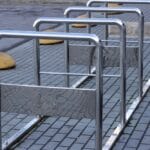
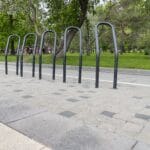
In Quebec, any welded structure installed outdoors benefits directly. Guard rails, stairs, bike racks, and street furniture get hit with de-icing salts every winter. On those surfaces, a pickled and passivated weld can keep the stainless steel from staining by the first spring.
Commercial kitchens and food processing equipment are the other typical case. These surfaces are washed often, sometimes with chlorinated products, and need to stay smooth and easy to sanitize. Iron contamination on a welded work surface quickly becomes visible.
Passivation also needs to be redone whenever the surface is altered: repair welds, grinding, on-site adjustments, or contact with carbon steel tools. At Métanox, weld finishing is part of planning any custom stainless steel fabrication project, alongside choosing the grade and finish.
How do you check that no free iron remains?
The first check is visual. A properly treated part has a clean, uniform surface, with no pitting, no etching, and no frosted appearance. Heat tint along the weld beads should be completely gone.
To go further, the copper sulfate test is one of the simplest. The solution is applied to the surface: if copper deposits, free iron remains and passivation is incomplete. This test is suitable for austenitic grades like 304 and 316, but not for some 400 series grades. On more demanding projects, humidity or salt spray tests give a fuller picture.
Finally, ask your fabricator which method was used and to which standard. A reliable supplier can tell you whether the welds were pickled, which acid was used for passivation, and which tests were performed.
Planning for passivation at the design stage
Well-chosen stainless steel with a poor finish loses much of its advantage. Pickling and passivation are first about restoring the welded surface’s natural protection, well before appearance. To see where these operations fit among other finishing options, read our article on steel surface treatments.
Planning a welded stainless steel project for outdoor use, a commercial kitchen, or an institutional building? The Métanox team can advise you on the right passivation for your environment and specifications. Request a quote to discuss it.
Frequently asked questions
What’s the difference between passivation and electropolishing?
Electropolishing is an electrochemical process that removes a very thin layer of metal to smooth the surface and give it a bright finish. Passivation doesn’t remove metal and doesn’t change the appearance. Electropolishing also has a passivating effect, covered by a separate standard (ASTM B912), and it removes weld heat tint and scale at the same time.
Can you passivate a small part yourself?
For small touch-ups, there are citric acid gels and solutions designed for stainless steel. Degrease the part, follow the contact time recommended by the product manufacturer, then rinse thoroughly. Pickling products containing hydrofluoric acid, however, require protective equipment and waste handling that limit them to specialized shops. For a project with specifications, it’s best to leave the work to the fabricator.
Is a passivated part protected from all corrosion?
No. Passivation optimizes the protective film, but it doesn’t change the steel grade. Type 304 stainless steel installed near a heavily salted road or by the sea can still stain if the grade isn’t suited to the environment. Maintenance matters too: regularly rinsing off salt and dirt deposits helps the surface keep its protection.